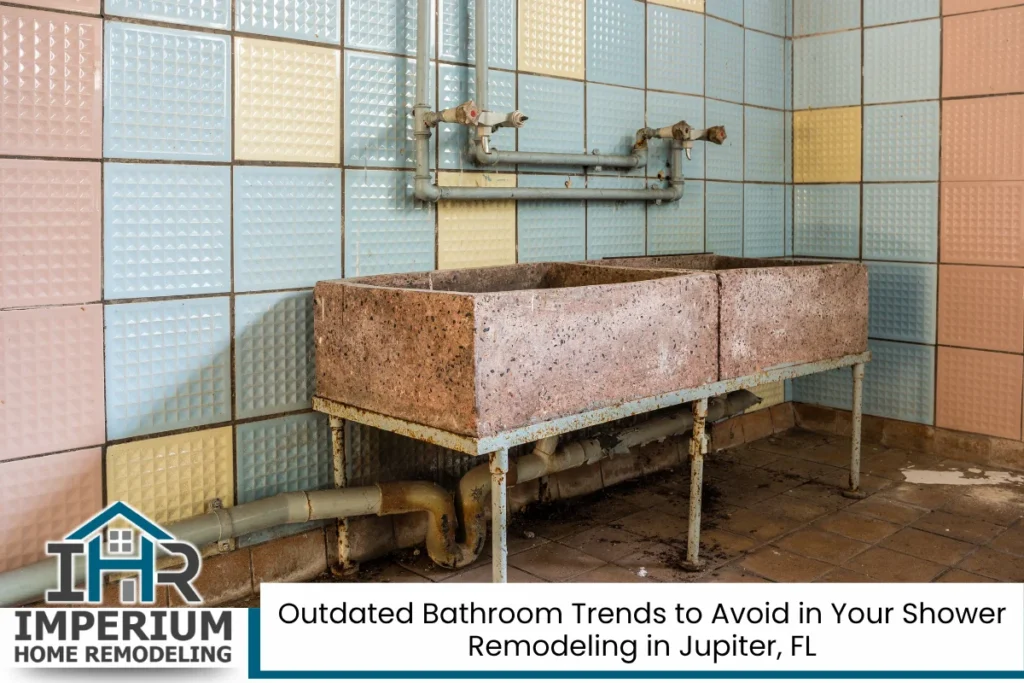
Why Outdated Shower Trends Matter in Jupiter, FL Homes
If you are planning shower remodeling in Jupiter, FL, the last thing you want is to invest thousands of dollars and end up with a space that feels tired within five years. That is exactly what happens when homeowners follow bathroom trends that have already peaked without considering how those choices hold up in a coastal, subtropical climate.
The problem goes beyond aesthetics. Small tile grids that trap mildew, acrylic pans that yellow under constant moisture, and cheap fixture finishes that corrode in salt air all create maintenance headaches. High humidity affects how shower materials wear over time, and wrong choices compound quickly in this environment. Wasted money and reduced home value follow.
The solution is straightforward. Select materials, layouts, and finishes proven to perform in humid conditions, meet local building codes, and stay visually current. Modern shower construction that prioritizes durability and simplicity will serve your house and lifestyle far longer than chasing every new bathroom trend that scrolls across your feed.
Key Takeaways
- Many popular choices from the 2000s and 2010s, including small ceramic tiles, acrylic stalls, tiled borders, and oil-rubbed bronze fixtures, now date a bathroom and reduce resale value in Jupiter.
- High humidity and salt air along the coast demand materials that resist moisture, mold, and corrosion, making proper waterproofing and low-porosity tile essential in any shower project.
- Layouts built for accessibility, such as curbless entries, fold-down benches, and slip-resistant flooring, age far better than trendy features that sacrifice function for style.
- Timeless finishes in warm neutrals, paired with large-format porcelain and quality fixtures, create a shower that holds up visually and structurally for well over a decade.
- All work involving plumbing relocation, electrical changes, or waterproofing modifications in Jupiter must comply with the current Florida Building Code (8th Edition) and local Town of Jupiter permitting requirements.
How We Recognize a Bathroom Trend That’s Truly Outdated
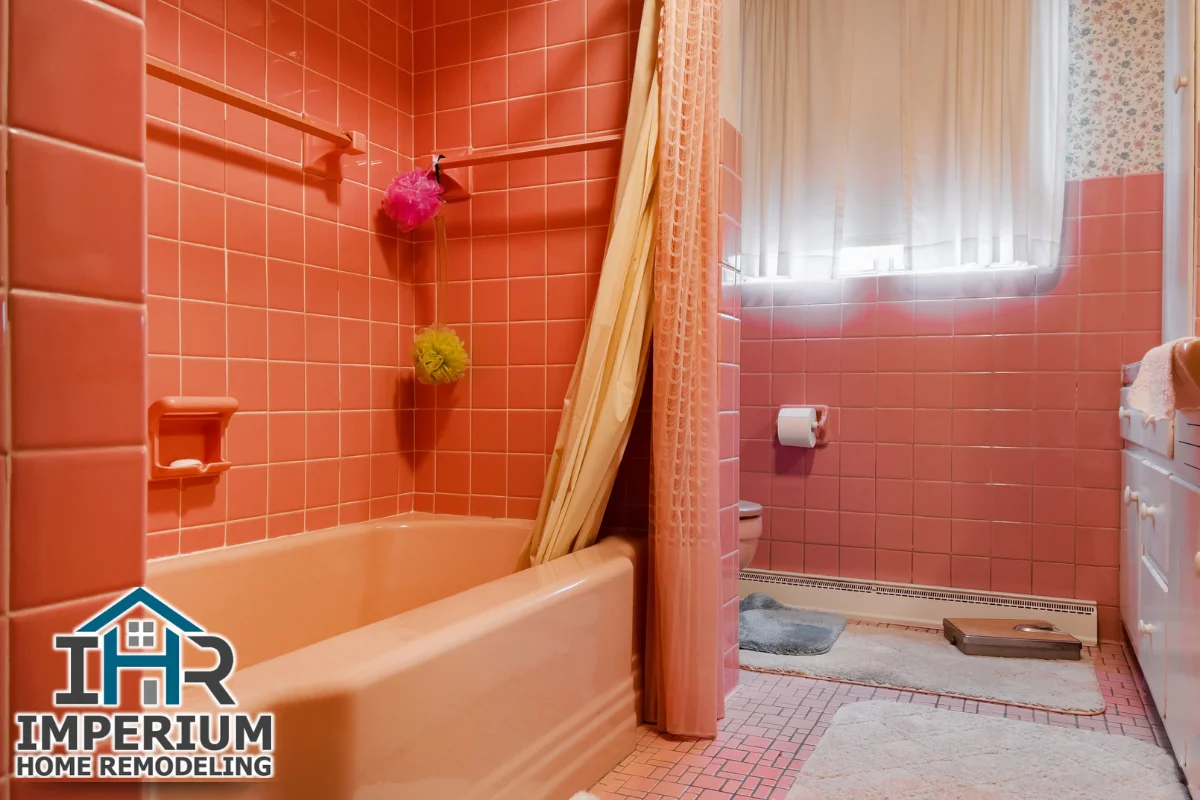
Designers and real estate professionals in Jupiter identify outdated trends by studying buyer feedback, reviewing listing photos across the local market, and tracking how long specific features have been installed before they start drawing negative comments. If a detail instantly stamps a bathroom with a date, whether it is an early-2000s border strip or a wall of 4×4 ceramic tiles, it is a signal that the style has moved on.
Here are the practical markers that separate a tired look from a timeless one:
- Hard to maintain: features with excessive grout lines, tight corners, or surfaces prone to staining create ongoing cleaning burdens that worsen in our climate.
- Hard to repair or replace: proprietary tile patterns, unusual niche configurations, or discontinued finishes make future updates costly and complicated.
- Incompatible with universal design: tall shower curbs, knob-style handles, and narrow entries limit accessibility and reduce appeal for aging-in-place buyers.
- Trendy rather than functional: purely decorative choices, like ornate listellos or bold accent walls in a color that falls out of favor, date the room without adding real value.
The goal is not to strip your bathroom of personality. It is to avoid pouring money into elements that will feel wrong before the next decade.
Tile Choices That Date Your Shower Fast
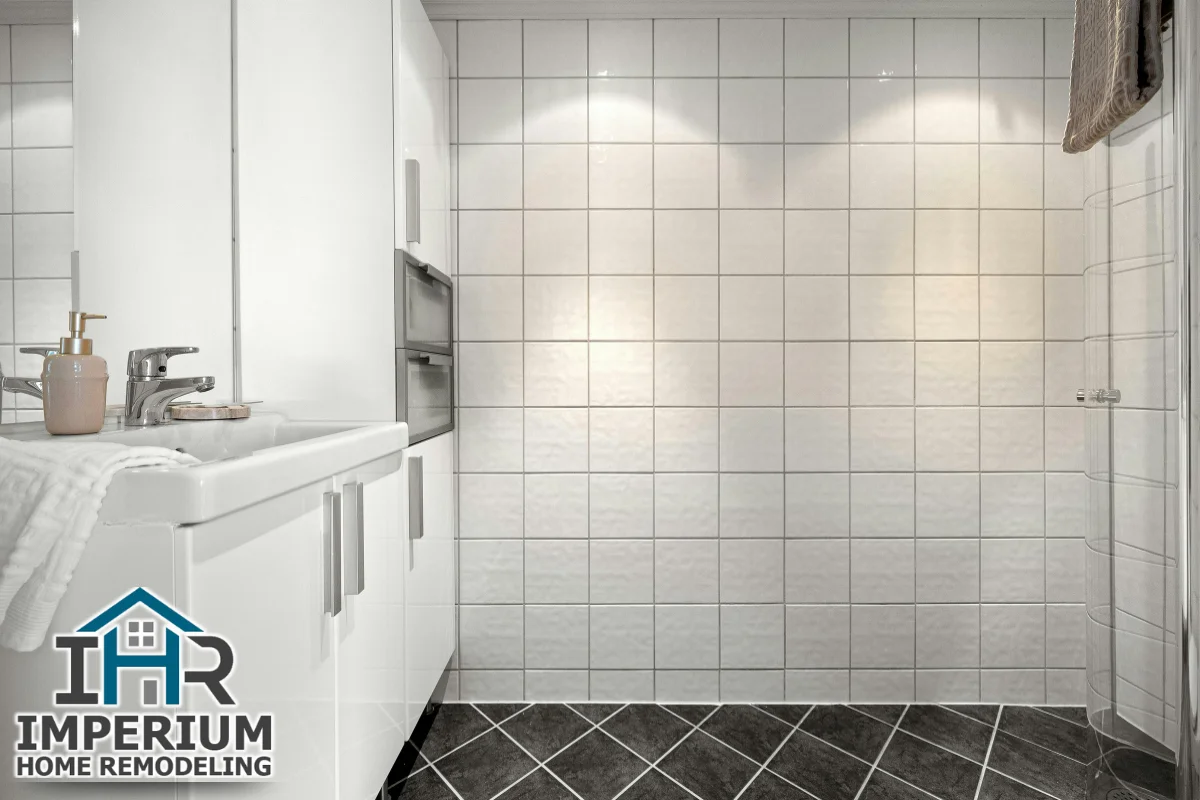
Tile dominates the visual impact of any shower renovation. Walk into a remodeled bathroom and your eye goes straight to the walls and floor. That single impression tells you whether the space feels current or stuck in 2012.
Old-school 12×12 ceramic tiles with thick grout joints are one of the most common things that age a shower quickly. Those grout lines collect mold and mildew in Jupiter’s persistent humidity, turning a clean look into a dingy one within a couple of years. Smaller mosaic tiles on shower walls create even more maintenance trouble because the sheer number of grout lines multiplies the surface area where moisture and soap scum settle. Avoid using small mosaic tiles on shower walls when you want a low-effort, long-lasting finish.
Tiled shower borders and busy listellos have also fallen out of favor over the last two years. What once added visual interest now breaks up the walls in a way that makes small showers feel cluttered and dated. Simplicity reads as more modern and allows the tile itself to do the talking.
Overly glossy tile everywhere is another trend to skip. In bright Florida light, high-sheen surfaces create harsh glare and show every water spot. On the floor, they become a slip hazard. Choosing textured tiles can improve slip resistance in showers, and matte or honed finishes are far more forgiving in wet zones.
What works today? Large-format tiles are favored for modern bathroom designs, and the numbers support that shift. Houzz research from 2024 shows that nearly 39 percent of homeowners now choose tiles sized 12×24 or larger for shower walls, reducing grout lines and opening the space visually. Porcelain with a water absorption rate below 0.5 percent performs best in wet areas, resisting staining and mold far better than standard glazed ceramic. Larger tiles in a matte or low-sheen finish, combined with epoxy grout, give you a clean surface that holds up season after season.
Classic subway tile in updated sizes and layouts also remains a solid option when paired with quality installation, but more on that in the FAQ below.
Shower Layouts and Features That No Longer Work
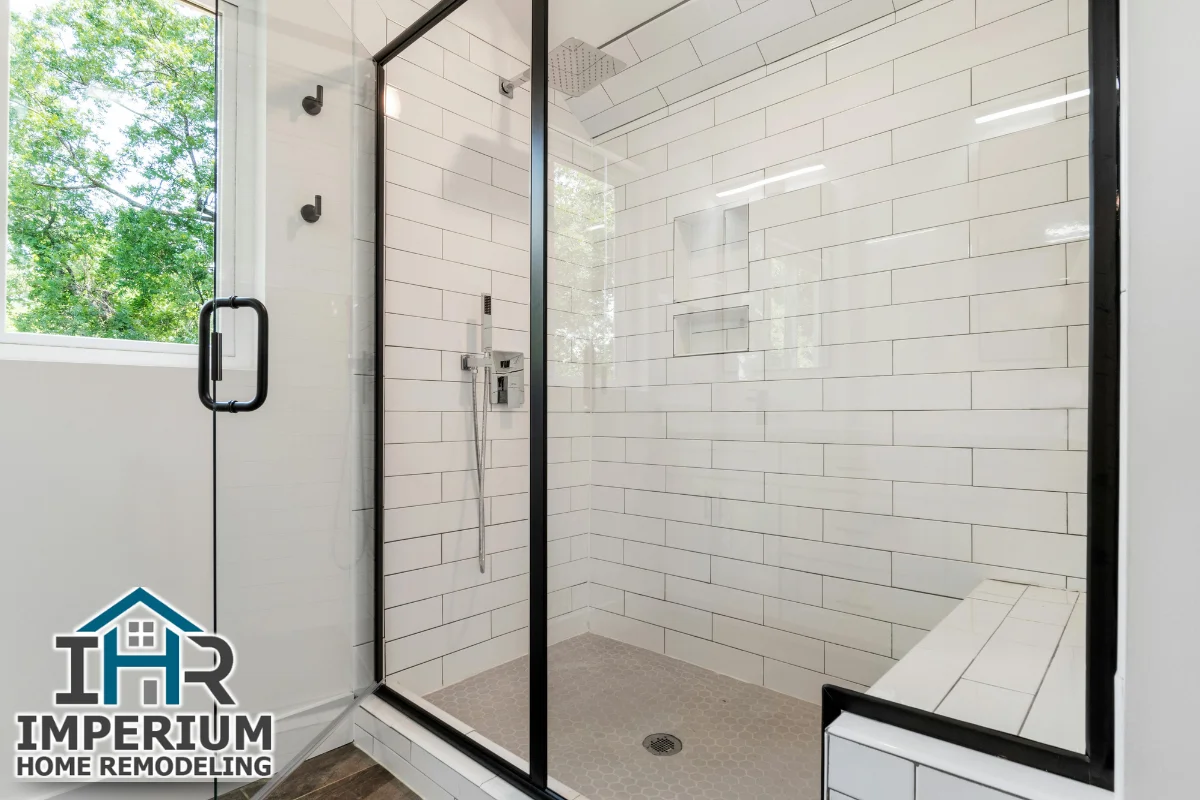
Layout decisions affect safety, comfort, and long-term usability far more than surface finishes. A bad floor plan in a beautiful tile job still results in a shower that frustrates you every morning.
Bulky corner drop-in tubs that eat into shower footprint are one of the first features contractors in the region are asked to remove. When homeowners primarily shower rather than soak, a tub that sits unused wastes valuable floor space. Freestanding soaking tubs are preferred over jetted tubs when a bath is still desired, but in many cases, removing the tub entirely and expanding the shower is the better investment. Across the state, replacing an underused tub-shower combo with a spacious walk-in tile shower is one of the top renovation requests.
Oversized tiled bench seats that narrow standing room and collect water along seams are also losing appeal. Floating or fold-down seats are easier to clean and free up space when not in use. They also fit better with accessible design principles.
Framed sliding doors with heavy metal tracks trap grime, feel cramped, and look busy. Frameless glass enclosures help keep showers looking modern and spacious, letting tile work and fixtures stand out rather than hiding behind thick aluminum frames. Semi-frameless options offer a middle ground for tighter budgets.
Plan for aging in place from the start. High curbs are harder to step over as mobility changes, and a curbless or low-threshold entry works better for everyone in the house. Non-slip flooring, niches at reachable heights, and lever handles round out a layout that will stay comfortable for decades.
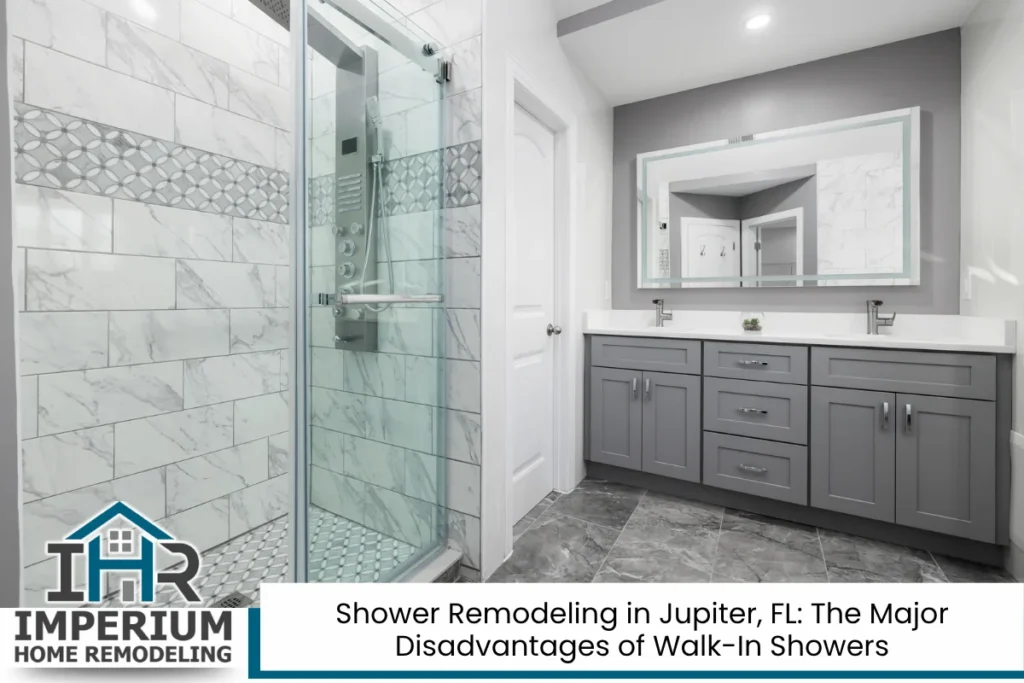
Read Shower Remodeling in Jupiter, FL: The Major Disadvantages of Walk-In Showers
Materials and Fixtures That Age Your Bathroom Overnight
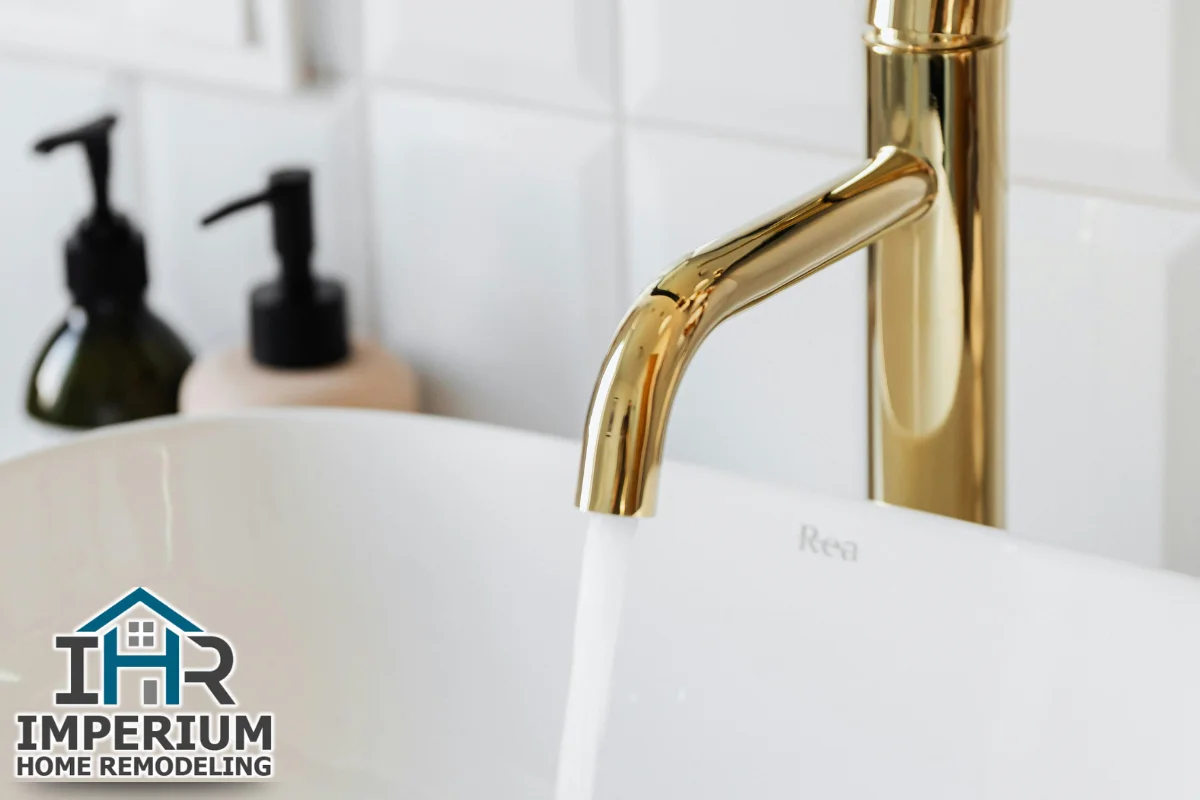
Fixture finishes and material choices instantly telegraph the era of a remodel. Walk into a bathroom with oil-rubbed bronze faucets and dark granite countertops and you are looking at a space that was likely built between 2010 and 2014. Oil-rubbed bronze fixtures peaked from 2010 to 2015, and granite countertops were popular during that same window. Both now sit firmly in the outdated category for most buyers. Quartz countertops have overtaken granite in popularity because they offer a less busy pattern and virtually zero maintenance.
Heavy furniture-like vanities are now considered outdated as well. Those dark-stained, ornate pieces feel like they belong in a formal dining room rather than a bathroom. Clean-lined cabinetry in lighter tones reads as more current and pairs better with modern shower design. Vessel sinks were popular from 2014 to 2017 but have largely been replaced in buyer expectations by undermount sinks, which are the 2026 default for bathrooms.
Acrylic shower stalls are viewed as cheap and flimsy now. They tend to flex, yellow under UV exposure and constant moisture, and leak at seams. In a climate where humidity runs 70 to 80 percent inside an unventilated bathroom, these pans break down faster than almost any other option.
Dark-colored fixtures highlight water spots and soap scum in humid environments, meaning you spend more time cleaning or accepting a dull appearance. Using high-quality finishes reduces maintenance issues in showers, so invest in durable coatings. Brushed nickel is a timeless fixture finish that resists corrosion well in salt air. Polished chrome also holds up. Matte black remains stylish but demands frequent wiping.
Coordinate showerheads, valves, and drains in a single finish family for a unified look. Water-efficient fixtures rated at 2.0 GPM or less still deliver a spa-like experience while reducing utility costs. Porcelain tile remains the best wall and floor material for wet zones, outperforming basic ceramic in absorption resistance and longevity.
Color Schemes and Details That Make a New Bathroom Feel Old
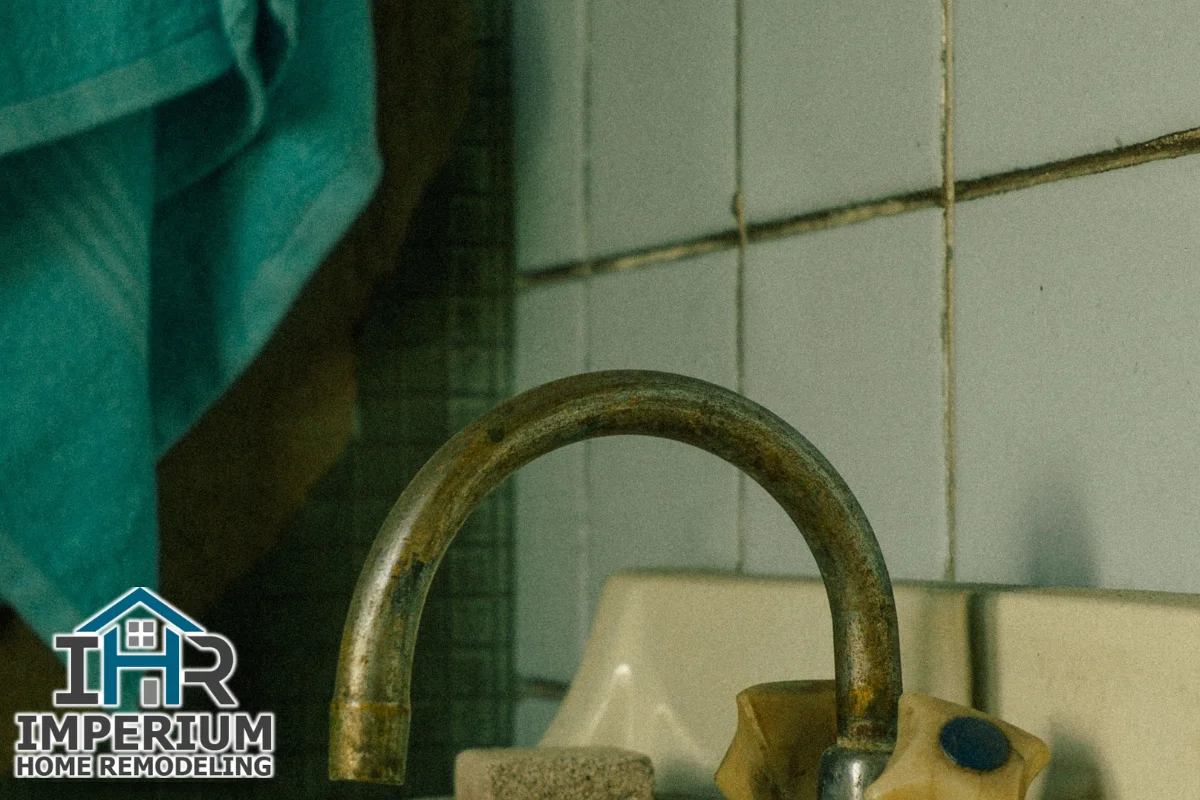
Color trends move quickly, and in a beach-adjacent community like Jupiter, the temptation to go full coastal theme is real. The problem is that heavily themed teal, seafoam, and aqua palettes lock you into a style that ages the moment tastes shift. All-gray color palettes peaked in 2018 and are now dated, yet they still show up in renovations where homeowners assume gray equals modern. It does not.
Overly ornate Tuscany-style details, from carved vanity fronts to scrolled hardware and heavy faux finishes, no longer align with the cleaner lines today’s buyers and designers prefer. These elements add visual weight without adding functionality, and they clash with the airy, light-filled feel that suits a Florida home.
Instead, opt for earth tones and warm neutrals over stark white tiles to create inviting spaces. Soft whites, sand, light greige, and subtle warm blues or greens work as accents rather than the main event. Natural materials like stone are preferable for a warm aesthetic in Florida bathrooms when used as a backsplash or accent wall rather than throughout the entire shower, since stone requires sealing every six to twelve months in this climate.
Color can also be introduced affordably through paint, towels, and art rather than permanent tile choices. This approach lets you explore new colors down the road without ripping out your shower to keep up with the next wave of trends.
Lighting, Storage, and Accessibility: Modern Must-Haves vs. Old Habits
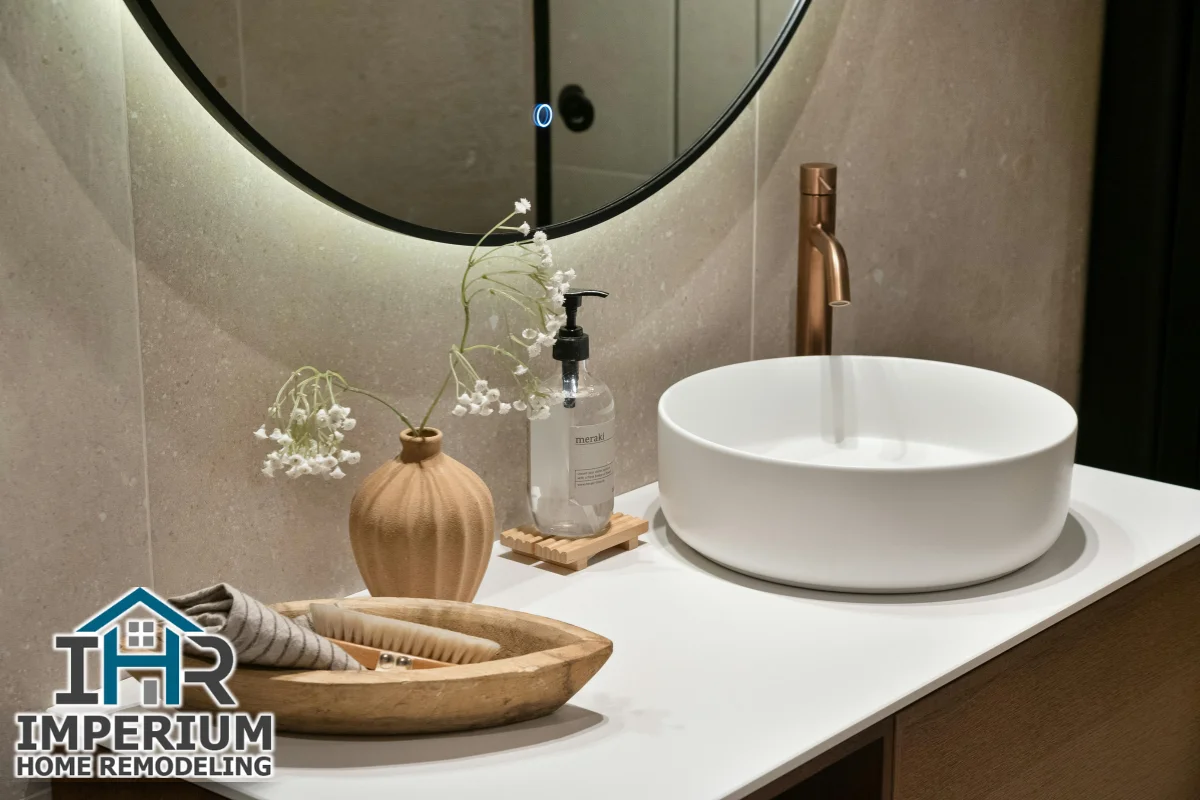
Lighting and storage are often afterthoughts in a shower remodel, but they heavily affect daily comfort and how polished the finished space feels. Getting these details right is an opportunity to bring your project from good to exceptional.
A single overhead fixture paired with a basic frameless mirror and no task lighting is a setup that belongs in the past. Dark showers with no dedicated waterproof lighting feel cramped and uninviting. Layered lighting is the standard now:
- Wet-rated recessed fixtures inside the shower rated for damp or wet locations per the Florida Building Code and NEC
- Vanity sconces on either side of the mirror to eliminate shadows
- Optional backlit mirrors that add ambient glow without taking up space
Efficient ventilation helps maintain a fresh environment in showers and protects finishes and framing from moisture damage. High-CFM exhaust fans with humidity sensors or timers, vented to the exterior, are essential in any Jupiter bathroom.
Outdated storage, like tiny recessed soap dishes that collect residue and corner wire racks that rust, should be replaced with properly waterproofed built-in niches and well-planned vanity drawers. Recessed niches at comfortable heights keep shampoo and soap within reach without cluttering the floor.
Safety elements that today’s homeowners expect include properly anchored grab bars with blocking in the wall, slip-resistant flooring meeting a dynamic coefficient of friction (DCOF) rating of 0.42 or higher for wet area safety, and lever handles on both faucets and doors rather than hard-to-turn knobs.
Planning a Shower Remodel in Jupiter That Stays Current Longer
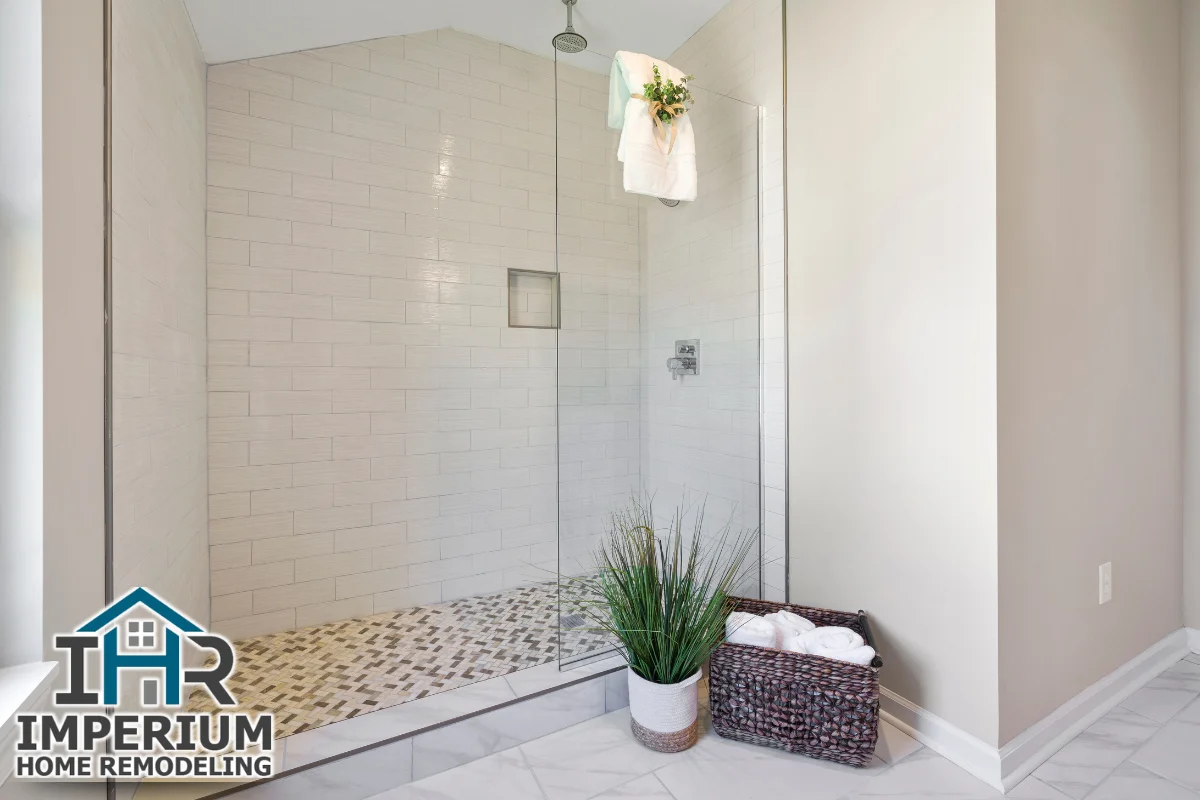
When you sit down with a shower contractor or designer, lead with structure before finishes. Drain placement, ventilation capacity, and waterproofing are the decisions that matter most and cost the most to redo later. Proper waterproofing is essential in humid climates to prevent mold growth, and it must be done with approved membranes over cement or foam backer boards, never green board alone.
Mix classic elements, such as neutral porcelain tile, simple subway tile variations, and clean-lined fixtures, with just a few current touches that can be swapped later. Mirrors, hardware finishes, and wall color outside the wet zone are all easy to update without tearing out tile.
Work only with a licensed, insured shower remodeling contractor familiar with Jupiter permitting, inspections, and the Florida Building Code 8th Edition requirements for residential alterations. Permitted work protects your investment and ensures every detail behind the walls meets code.
A thoughtful shower renovation can improve your daily reality and future resale value without chasing every passing trend. Prioritize durability, simplicity, and timeless design, and your bathroom will still look right a decade from now.
Shower Remodeling in Jupiter, FL – Imperium Home Remodeling & Construction
At Imperium Home Remodeling & Construction, we specialize in shower remodeling that is built to last in Jupiter’s demanding coastal climate. Our team understands local building codes, permitting requirements, and the materials that actually perform in high-humidity environments, because we live and work here every day.
We design and build modern, low-maintenance showers using quality porcelain tile, frameless glass, durable fixtures, and proper waterproofing systems. Our clients rely on us to guide them away from outdated choices and toward finishes that stay fresh for years. Whether you need a full bath remodeling project or a focused shower upgrade, we handle every step from plan to final inspection.
We serve Jupiter and the surrounding areas. Call us at (772) 888-1177 or fill out our contact form to schedule a free, no-pressure consultation. Let our team help you create the shower you have been dreaming about.
Frequently Asked Questions
What permits are typically needed for a shower remodel in Jupiter, FL?
Any project that involves structural changes, relocation of plumbing lines, movement of drains, new electrical wiring, or modification of waterproofing systems generally requires a building permit in Jupiter. Even seemingly simple work like replacing a shower pan or relocating a drain triggers an inspection to verify waterproofing, drainage slope, and safety compliance. Permitting in Jupiter is administered through the Town of Jupiter Building Division, operating under the current Florida Building Code with local municipal amendments, and the residential alterations permit process requires submitted plans that show plumbing, waterproofing, and wall sections. Working with a licensed contractor who handles permitting on your behalf ensures nothing is missed, and permitted work protects your resale value by documenting that the shower was built to code.
How do I choose the right tile size for a small shower?
Small showers benefit from larger wall tiles because fewer grout lines make the space feel more open and reduce maintenance. A popular combination is large-format rectangles like 12×24 on the walls paired with smaller 2×2 or hexagonal tiles on the floor, where more grout lines actually help with traction and allow the surface to follow the slope to the drain. Lighter colors and minimal pattern keep tight spaces from feeling closed in, especially in a bathroom without much natural light. When meeting with your shower remodeler, bring measurements and a few inspiration photos so the tile selection can be fine-tuned to your exact dimensions and daily cleaning preferences.
Is classic subway tile still a good option, or is it becoming outdated?
Subway tile remains a reliable choice because of its clean lines and adaptability, but the standard 3×6 white brick-lay pattern can feel generic when used without any variation. Updated sizes such as 4×12 or 4×16, vertical stacking patterns, and softer white or off-white tones add visual interest without chasing a short-lived trend. Pairing simple subway tile with higher-end fixtures, quality epoxy grout, and thoughtful lighting can make even a modest shower feel upscale. Use contrasting grout carefully and avoid overly busy patterns in very small showers, since the goal is to keep the space feeling calm and uncluttered rather than decorative for its own sake.
What features make a shower easier to maintain in our humid climate?
Low-porosity materials are the foundation. Porcelain tile with an absorption rate under 0.5 percent and solid-surface niches resist staining and moisture far better than porous natural stones that require resealing every six to twelve months. Larger tiles on walls cut down on total grout area, and epoxy or high-performance grout designed for wet environments minimizes mold and mildew buildup. Frameless or semi-frameless glass with easy-clean hydrophobic coatings stays clearer longer. Proper ventilation through a high-CFM fan vented to the exterior, ideally on a humidity sensor, keeps moisture from lingering after every use. Well-sloped floors that drain completely prevent standing water, which is the single biggest contributor to mildew in any shower.
How can I future-proof my shower if I plan to stay in my home long term?
Start with subtle accessibility features that benefit everyone now and become essential later. Install blocking inside the walls for future grab bars even if you do not mount them today. Choose a curbless or low-curb entry, a handheld showerhead on a slide bar, and lever handles throughout. These elements make daily use more comfortable at any age without sacrificing aesthetics. Behind the walls, invest in quality thermostatic valves and a proven waterproofing system, since these components are extremely difficult and expensive to replace once tile is installed. On the surface, stick with neutral, timeless finishes and reserve bold trends for accessories like towels, mirrors, and hardware that are simple and cheap to swap out when your style evolves.
Disclaimer: This article is for general informational purposes only and does not constitute legal, code, or professional remodeling advice. Homeowners should verify current Jupiter, FL building requirements with local authorities or a licensed contractor before beginning any project.
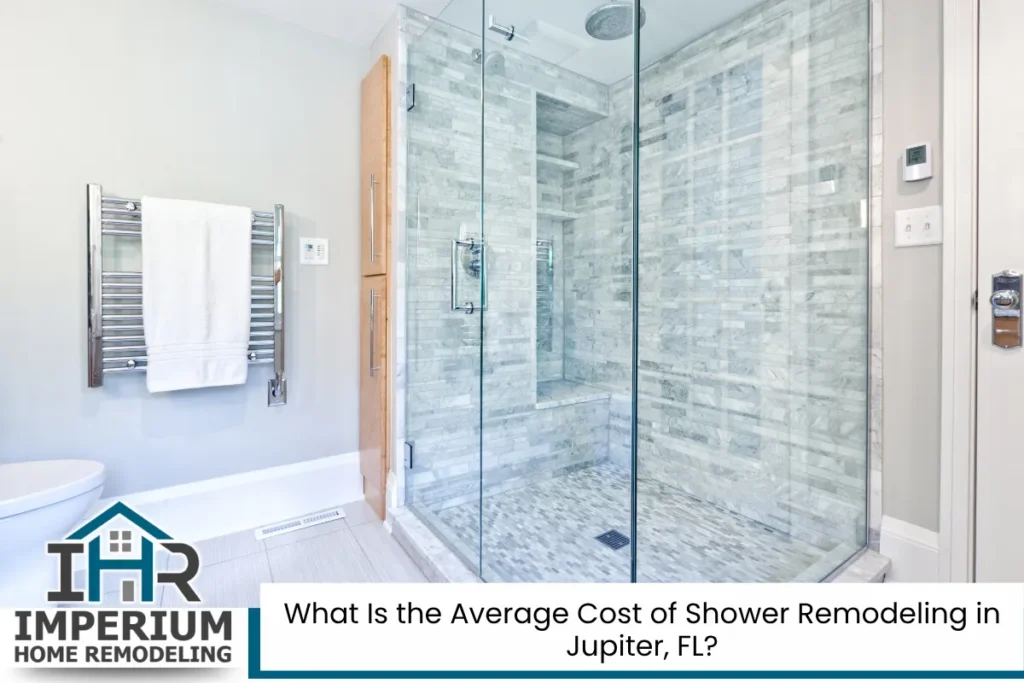
Read What Is the Average Cost of Shower Remodeling in Jupiter FL?