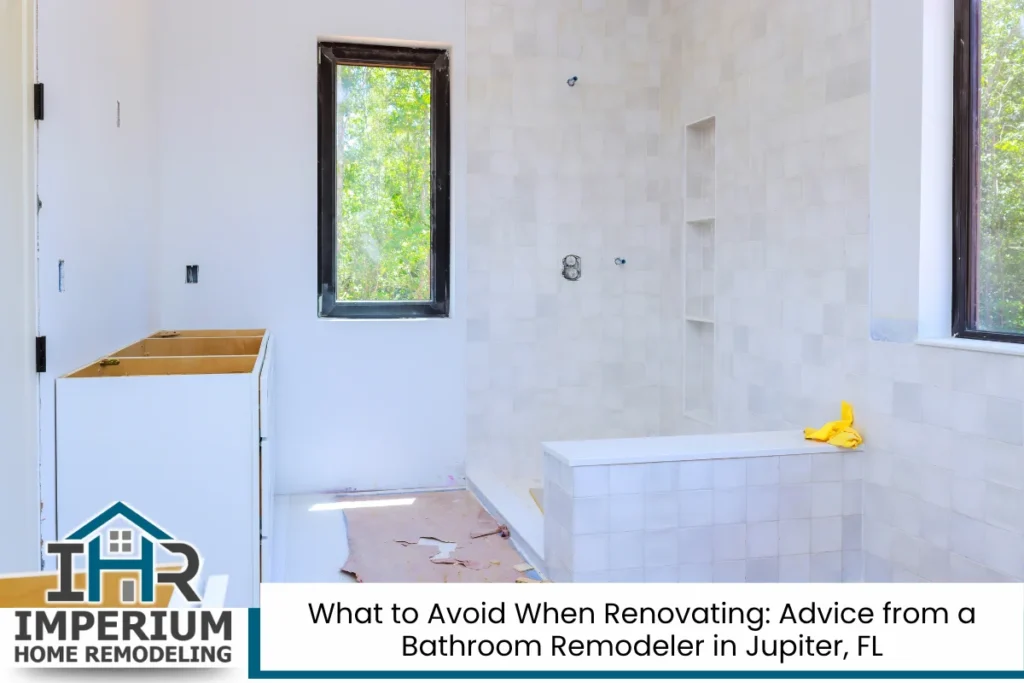
Starting Your Bathroom Renovation on the Right Foot
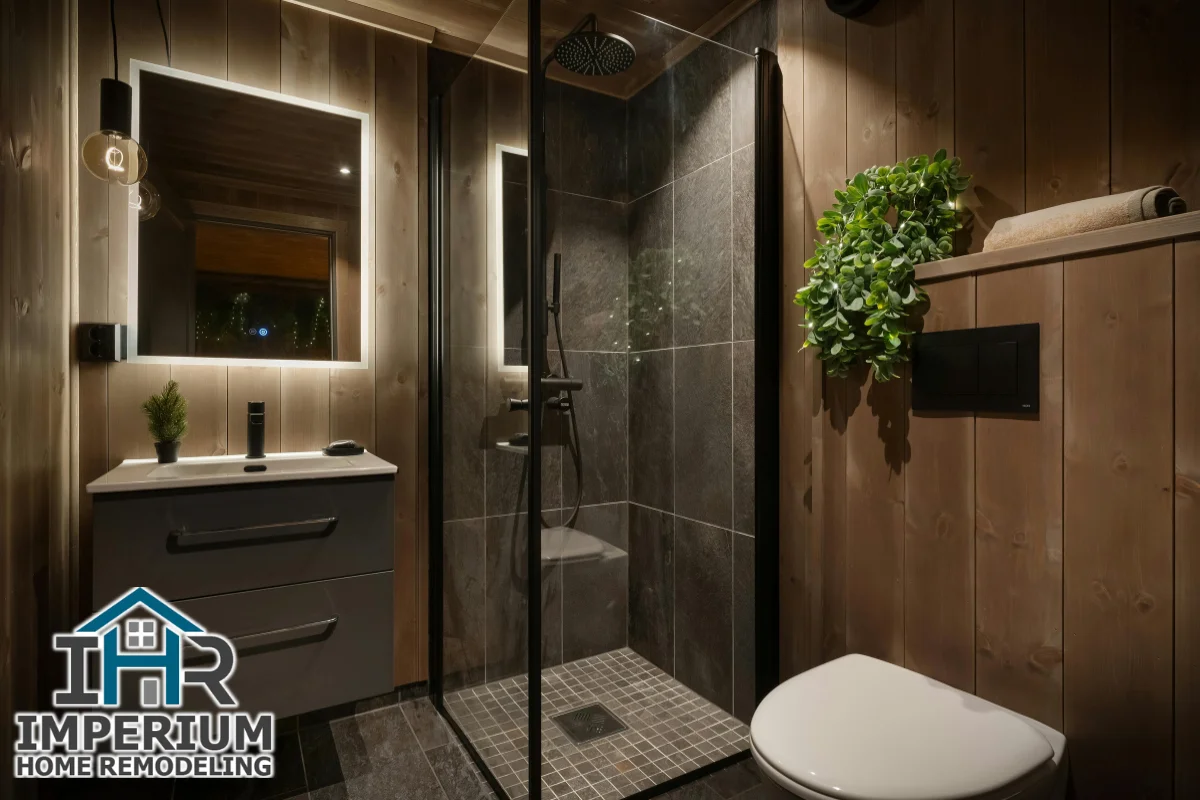
Any experienced bathroom remodeler in Jupiter, FL will tell you the same thing: most renovation headaches are avoidable. The problem is that homeowners often dive into a bathroom remodel excited about new tile, fresh fixtures, and a modern layout without fully understanding what can go wrong behind the walls. The reality hits hard when inspections fail, timelines stretch by weeks, or demolition reveals mold and rusted plumbing that nobody budgeted for. These setbacks are not rare in coastal Palm Beach County homes. The solution starts well before construction begins. Partnering with a qualified remodeling contractor who understands local permitting, building codes, and the unique challenges of this humid climate turns a stressful project into one that actually delivers lasting results.
Key Takeaways
- Bathroom renovations in Jupiter often go over budget by 10 to 15 percent due to hidden water damage, outdated plumbing, and mold concealed behind walls in older homes.
- Jupiter, Florida has extreme humidity and strict coastal building codes, making proper ventilation, waterproofing, and corrosion-resistant materials non-negotiable in any renovation project.
- Skipping local building permits can lead to fines, failed inspections, insurance complications, and costly rework during resale.
- Poor layout decisions and inaccurate measurements create daily annoyances and expensive mid-project changes, especially in slab-on-grade construction.
- Working with an experienced local bathroom remodeler helps you avoid these common pitfalls by aligning your design decisions with code requirements, climate realities, and realistic budgets from the start.
Poor Planning and Layout Oversight in Tight Bathroom Spaces
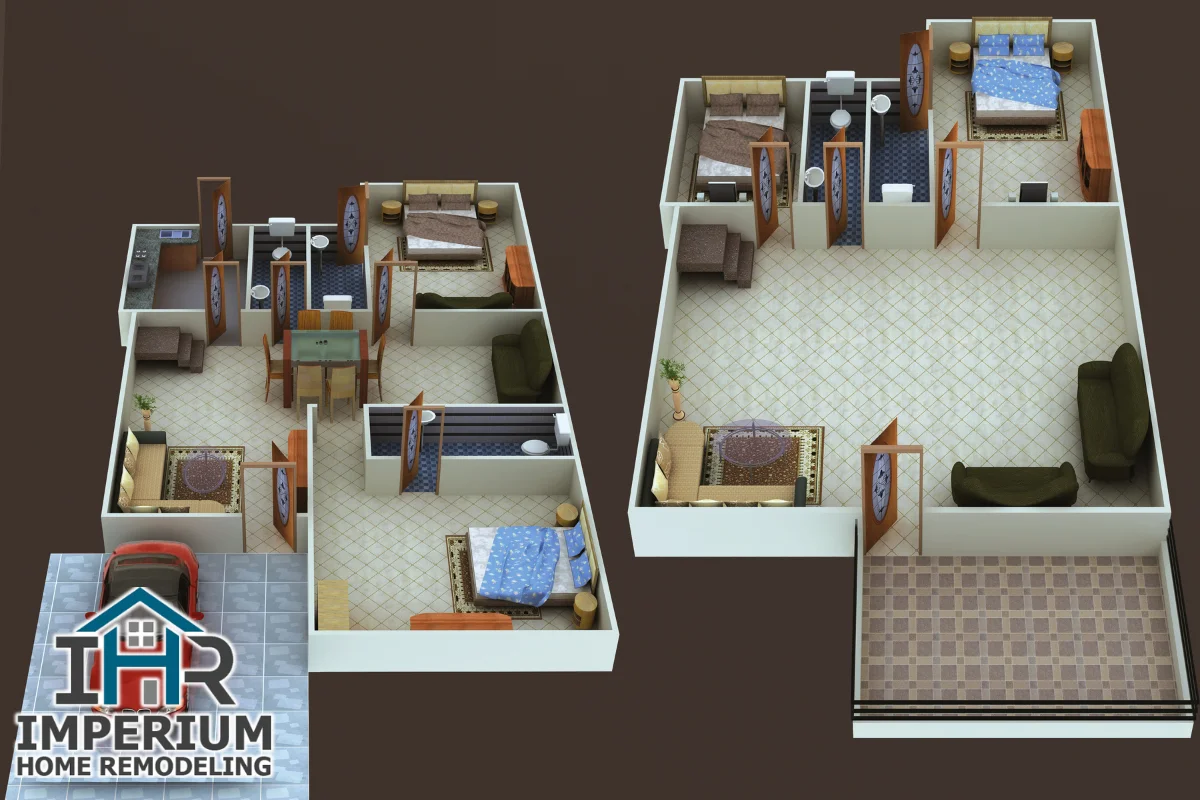
Many homes in the Jupiter area were built with compact bathrooms that leave little room for error. Without meticulous planning, you end up with doors that swing into toilets, vanities crammed against walls, and shower entries that feel awkward every single day. Poor layout decisions create daily annoyances that are extremely difficult and expensive to fix once the tile is set and the fixtures are installed.
Building codes dictate specific clearances around bathroom fixtures. Toilets and sinks need at least 15 inches from the center of the fixture to any side obstruction, and the center-to-center clearance between adjacent fixtures must be at least 30 inches per the Florida Building Code (Plumbing Section 405). Clear floor space in front of water closets requires a minimum of 21 inches (or 24 inches for ADA/accessible design guidelines). Shower openings need at least 24 inches of clear width. Accurate measurements prevent fixture fitting issues, and skipping this step is one of the fastest ways to derail a project.
Testing layout scenarios on paper prevents expensive changes later. Before any demolition begins, insist that your bathroom contractor provide a scaled floor plan and elevation drawings. Mock up door swings, check clearances, and confirm that every fixture fits comfortably. Moving plumbing in slab-on-grade homes can be costly due to structural alterations. Relocating a single toilet drain even six inches in a concrete slab can cost $800 to $1,500, and rerouting old cast-iron drain lines can run $2,000 to $4,000. Getting the layout right on paper costs nothing compared to cutting into a finished slab.
Underestimating the Budget and Hidden Costs Behind the Walls
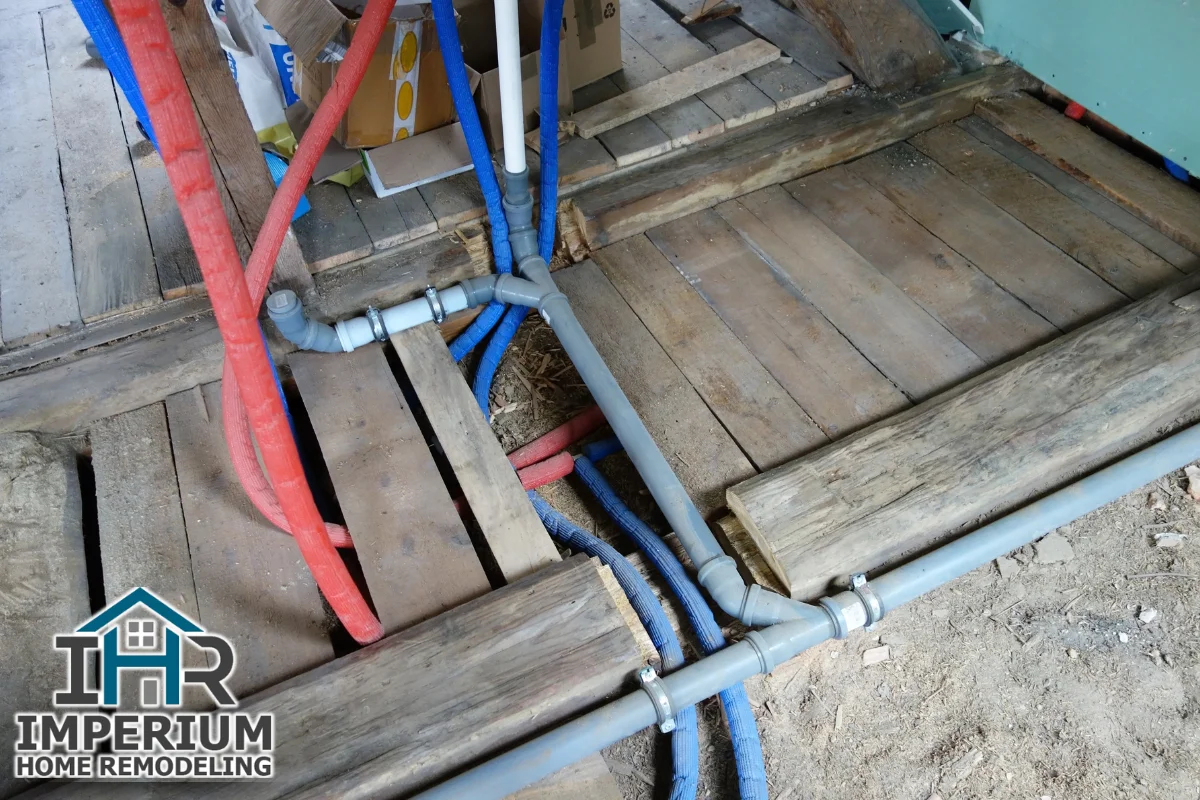
Bathroom renovations often exceed budgets by significant amounts, and not setting a budget from the outset can lead to major setbacks that spiral quickly. In the Jupiter FL market, small bathroom remodels typically range from $5,900 to $14,000 when the footprint stays the same, while full remodels involving plumbing relocation and luxury finishes run from $10,620 to $33,040. Many homeowners overlook hidden costs during bathroom renovations because the most expensive problems are the ones you cannot see until walls come down.
Common surprises uncovered once demolition begins include:
- Water damage around shower walls and tub surrounds
- Rusted cast-iron or corroded galvanized plumbing
- Outdated or ungrounded electrical wiring
- Mold growth in subfloor framing or wall cavities
A 10% budget contingency is recommended for unexpected costs, though many local professionals suggest 15 percent for older homes near the coast. Mold remediation alone can add $1,000 to $5,000, and plumbing adjustments frequently cost $1,500 to $4,000 when pipe replacement is involved.
Encourage your bathroom remodeling contractor to provide a detailed estimate with separate line items for demolition, plumbing, electrical, waterproofing, finishes, fixtures, labor, and an unknowns category. Include a 10% contingency buffer in your renovation budget at minimum. Code-related electrical upgrades such as GFCI protection on all bathroom circuits and dedicated circuits for exhaust fans are required for safety and should be accounted for early, not treated as surprise add-ons after the walls are open.
Choosing Style Over Everyday Function and Safety
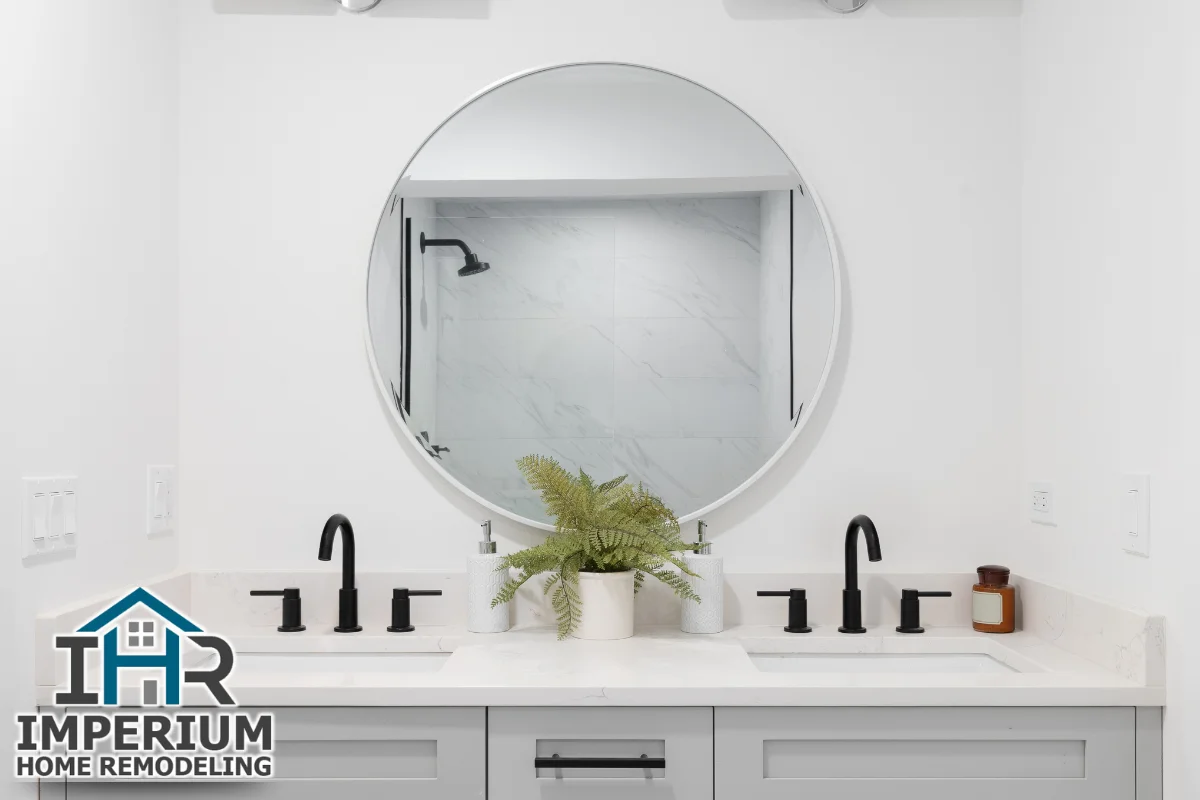
It is tempting to pull inspiration from design magazines and social media feeds, but trendy layouts that look stunning in a showroom do not always perform well in a humid coastal climate. Homeowners often focus on visible elements, ignoring essential infrastructure like adequate ventilation, proper slope on shower floors, and durable finishes that resist moisture day after day.
A few design decisions deserve extra scrutiny:
- Glossy large-format floor tile may offer visual appeal, but without a dynamic coefficient of friction (DCOF) rating of 0.42 or higher per ANSI A326.3 standards, it creates a significant slip hazard in wet environments. Textured porcelain performs significantly better for safety.
- Freestanding tubs look dramatic yet often go unused while consuming valuable square footage in a room that could benefit from a more accessible shower layout.
- Open shelving warps and collects mildew in high-humidity spaces where enclosed cabinetry with moisture-sealed finishes lasts far longer.
Adding storage space is essential for bathroom functionality. Smart storage prevents clutter and keeps bathrooms organized. Incorporate different-size drawers for various storage needs, and make sure storage solutions accommodate items like towels and toiletries without creating dead space.
Think long-term. Installing grab-bar blocking behind walls during construction costs almost nothing, but retrofitting later means tearing into finished tile. Curbless shower prep, lever-style hardware, and wider doorways support aging in place and also boost resale value across the Jupiter area. Balance style with maintenance by choosing materials that clean easily and resist the salt air and humidity unique to this part of the coast.
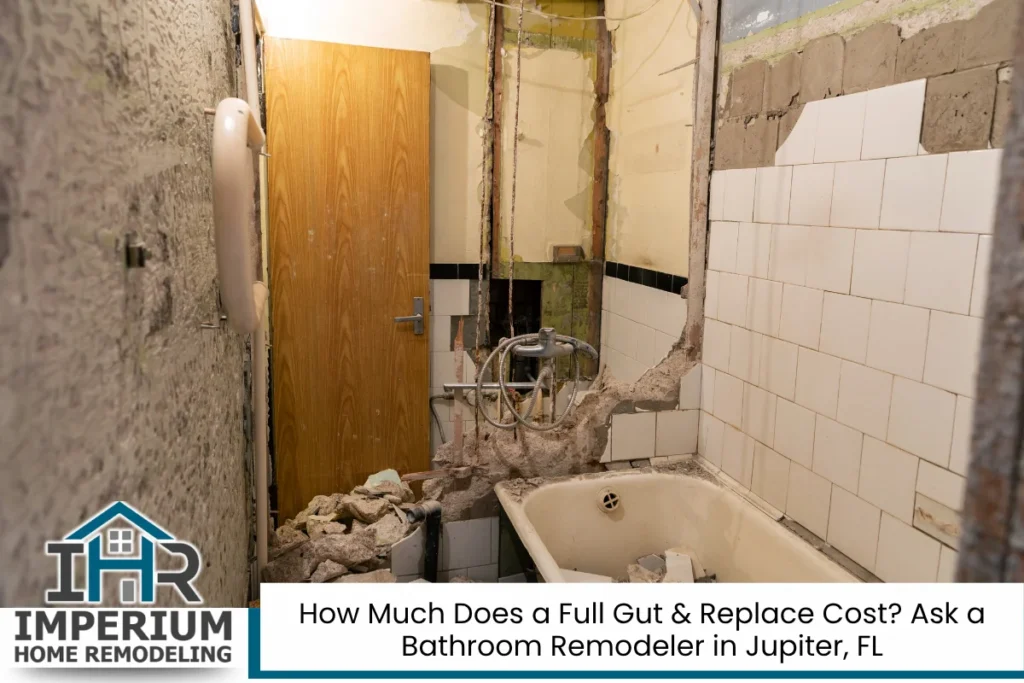
Read How Much Does a Full Gut & Replace Cost? Ask a Bathroom Remodeler in Jupiter, FL
Overlooking Ventilation, Moisture Control, and Waterproofing
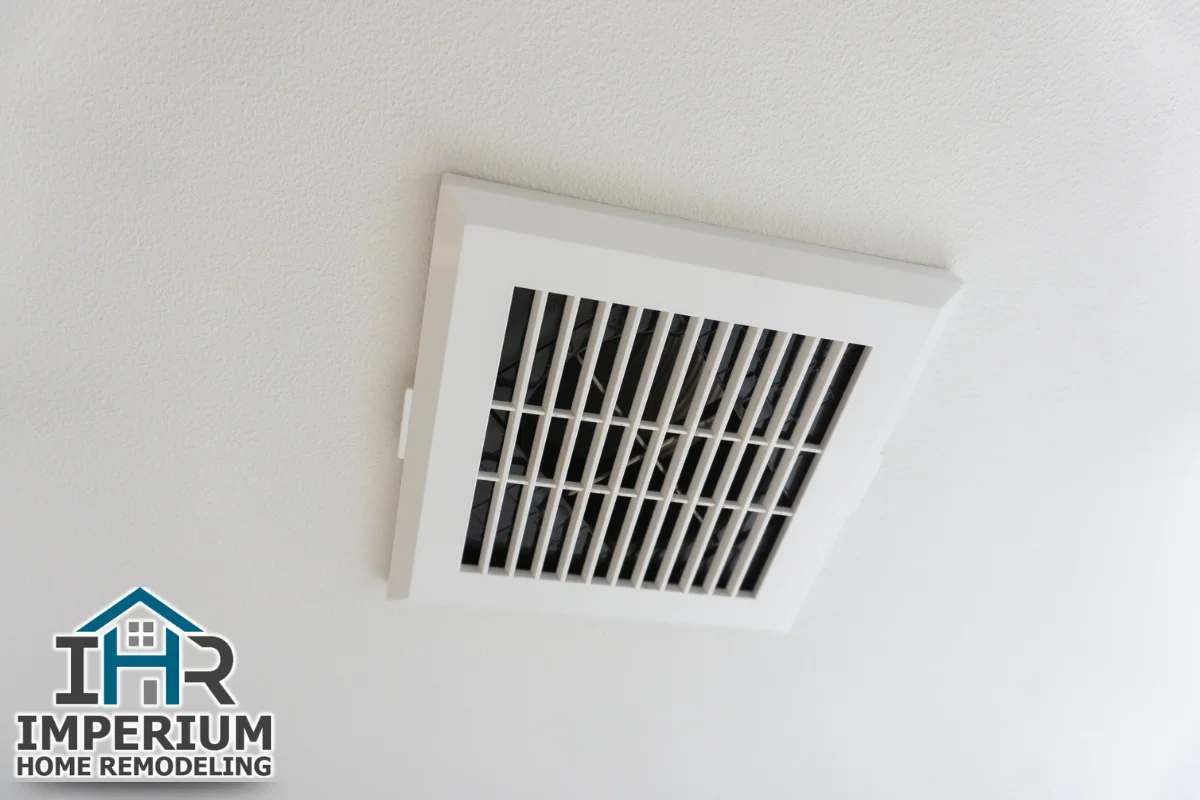
Jupiter receives approximately 60 inches of rain per year, and the warm, humid climate magnifies every moisture mistake in a bathroom renovation. Ventilation is critical in high-humidity bathrooms to prevent moisture issues, and high ambient humidity can lead to rapid mold growth if not managed properly. Proper ventilation prevents mold growth in bathrooms, while inadequate ventilation can cause expensive damage over time, including peeling paint, warped cabinets, rotted framing, and compromised structural integrity.
Building codes specify minimum ventilation requirements for bathrooms. Exhaust fans must vent outdoors through proper ducting, not simply recirculate air into an attic or soffit. Proper ventilation starts with correctly sized exhaust fans. Exhaust fans should be correctly sized for bathroom dimensions, with most standard bathrooms requiring at least 50 CFM. A timer or humidistat ensures the fan runs long enough after each use to pull residual moisture out of the space.
Waterproofing is a critical step and should not be treated as an upgrade or an optional add-on. Tile and grout are water-resistant but not waterproof. Without a proper membrane system behind the tile, water migrates into backer board, framing, and subfloor. Use moisture-resistant backer board in wet zones, ANSI A118.10 rated waterproof membranes behind shower and tub surrounds, and mildew-resistant caulk at all transitions. Moisture-resistant materials help control humidity in bathrooms, especially in the living spaces closest to the coast.
Poor waterproofing around shower niches, low curbs, and tub flanges often goes unnoticed during construction but reveals itself months later as soft floors, musty odors, and stained ceilings in the room below. Confirm that your bathroom contractor follows manufacturer specifications for every waterproofing product to maintain warranties and avoid callbacks.
DIY Overreach and Ignoring Local Regulations
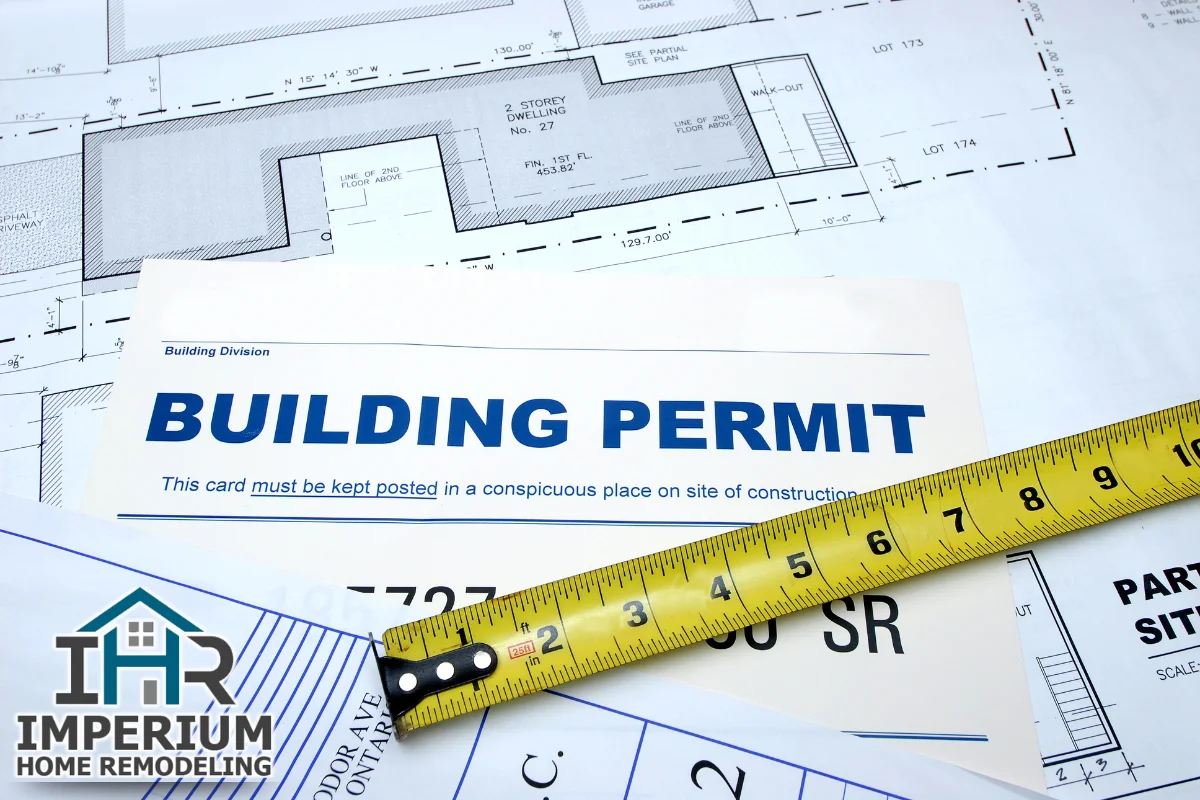
Home improvement shows make bathroom remodeling look like a weekend project, but the reality is far more complex, especially when plumbing and electrical systems are involved. DIY renovations can lead to costly structural damage when homeowners underestimate the precision required for drain connections, circuit installations, or structural modifications behind walls.
Permitting is administered through the Town of Jupiter Building Division, operating under the current Florida Building Code (8th Edition) alongside the National Electrical Code (NEC) and local municipal amendments. Most bathroom projects involving plumbing relocation, electrical service changes, or removing walls require permits and inspections through local authorities. Skipping local building permits can lead to fines and may void homeowner insurance, creating serious financial exposure if water or fire damage occurs in an unpermitted space. During resale, unpermitted work triggers red flags in home inspections that can delay or kill a transaction.
Professional help ensures compliance with local building codes, and hiring professionals can prevent expensive mistakes in complex installations like shower valve assemblies, heated floors, or recessed lighting in damp-rated zones. DIY tasks should be limited to simple projects like painting, swapping out accessories and hardware, or installing towel bars and toilet paper holders where no electrical or plumbing work is needed. Before any work starts on your house, verify that your bathroom renovation contractor holds a valid Florida license (State Certified or Registered), carries general liability insurance, and maintains workers compensation coverage. This is highly recommended regardless of project size.
Material and Fixture Mistakes That Shorten Your Bathroom’s Lifespan
The wrong materials fail fast in a wet, coastal environment. Choosing finishes based solely on what looks good in a showroom without considering how they perform under daily humidity and salt air exposure leads to premature replacement and avoidable cost overruns.
Key material considerations for the Jupiter climate:
- Porous natural stone like unsealed marble or travertine absorbs water, etches from common cleaners, and requires resealing every 6 to 12 months. Engineered quartz or cultured marble resists moisture without that maintenance schedule.
- Fixtures and hardware exposed to coastal air need corrosion-resistant finishes. Stainless steel (304 grade or higher), solid brass, or powder-coated marine-grade finishes prevent the rust and discoloration that cheap nickel or chrome plating develops within months.
- Vanity lights and recessed fixtures in damp or wet locations must carry appropriate moisture ratings. Non-rated lighting in high-splash zones fails prematurely and creates safety hazards.
- Hollow-core doors absorb moisture and warp. Solid-core or engineered-core doors with moisture-sealed edges hold up far better.
- Budget exhaust fans with high sone ratings are noisy enough that homeowners stop using them, defeating the purpose entirely. Invest in a quiet, properly sized unit that actually gets used every day.
- Cabinetry built with particleboard or unsealed MDF swells in humidity. Plywood construction with a moisture-resistant finish lasts significantly longer.
Coordinate with a knowledgeable bathroom remodeler to match every product selection to your actual daily use, cleaning habits, and budget so nothing needs replacing before its time.
Communication Gaps and Contractor Coordination Problems

Miscommunication between homeowners, designers, and trades is one of the fastest ways to blow a schedule and budget. When tile layout, grout color, niche placement, valve height, and door swing direction are not settled before construction begins, the project stalls while everyone waits on decisions that should have been made weeks earlier.
Before finish work starts, document every detail in writing. Agree on a primary point of contact with your home remodeling contractor to streamline questions and approvals so subcontractors are not getting conflicting direction from multiple people.
Schedule regular site walk-throughs at key milestones:
- After demolition, before rough-in plumbing and electrical
- After rough inspections pass, before backer board and waterproofing
- Before tile installation and painting begin
At each stage, compare the actual conditions to the approved plans and catch any deviations early. Clear written change orders for any mid-project adjustments protect both homeowner and contractor by documenting cost and schedule impact. This level of detail keeps everyone aligned and prevents disputes when the final invoice arrives.
Planning Your Next Bathroom Renovation for Long-Term Success
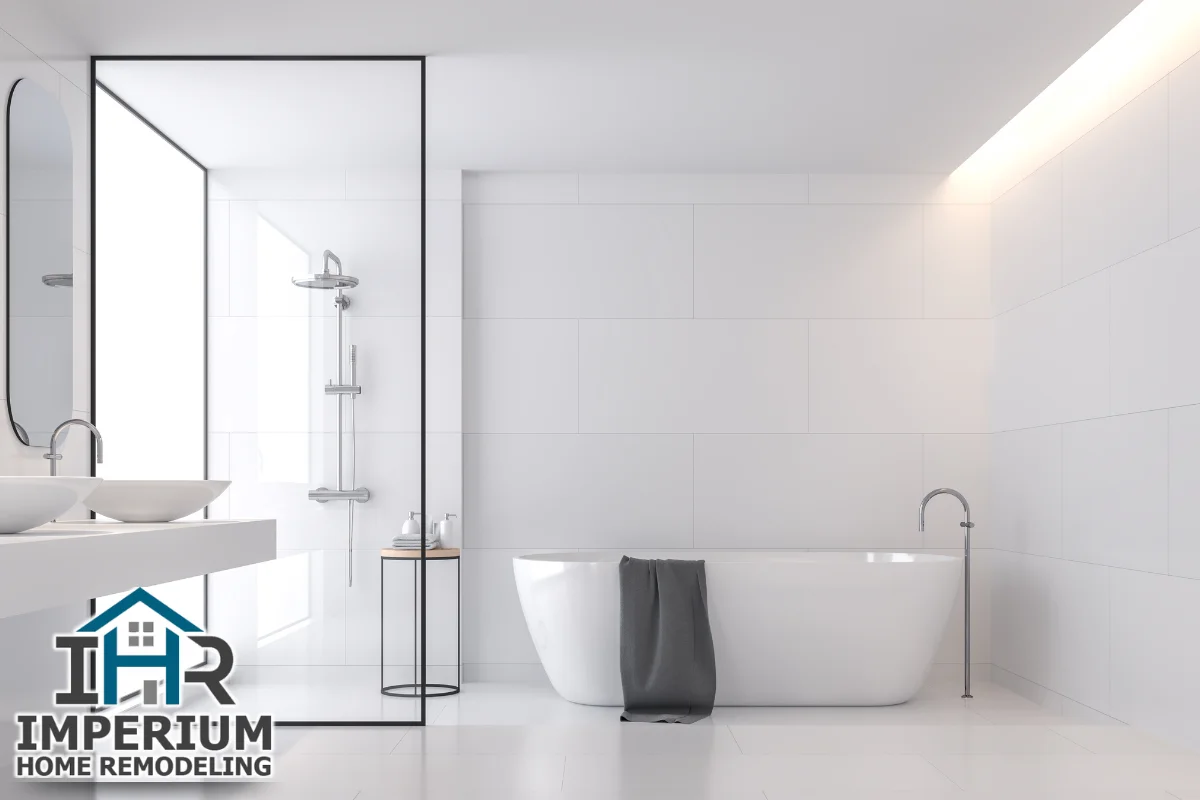
Every topic covered above points back to a single principle: the quality work that makes a bathroom comfortable, safe, and durable for years happens in the planning stage, not during installation. Layout accuracy, realistic budgets, functional design decisions, proper ventilation, code-compliant materials, licensed professionals, and clear communication are not extras. They are the foundation of a renovation project that actually delivers what you envisioned.
Before meeting with any bathroom professional, create a simple checklist from the tips in this article. Know your must-haves versus nice-to-haves. Have realistic numbers for how many people will use the space daily. Understand your home’s age, construction type, and any known issues with plumbing or electrical.
Working with a local expert who understands the permitting process, inspection requirements, and climate-specific challenges in Jupiter gives you a significant advantage. When you specialize your focus on getting these fundamentals right, the finishes and style choices fall into place naturally. That is what separates a renovation you enjoy from one you regret.
Bathroom Remodeler in Jupiter, FL – Imperium Home Remodeling & Construction
At Imperium Home Remodeling & Construction, we bring years of hands-on experience to every bathroom renovation in Jupiter, FL and the surrounding areas. We handle the entire process from initial design and budgeting through permitting, inspections, and final walkthroughs so nothing falls through the cracks. Our team focuses on quality work, clear communication, and attention to every detail because we know that is what separates a successful remodel from a costly headache. Whether you need a complete gut renovation or targeted upgrades to improve function and safety, we are here to guide you through each step. Call us at (772) 888-1177 or fill out our contact form to schedule a consultation on your upcoming project. Let Imperium Home Remodeling & Construction turn your vision into a space you will enjoy for years to come.
Frequently Asked Questions
How Long Does a Typical Bathroom Renovation Take in Jupiter, FL?
Most bathroom renovations in the Jupiter area take between four and eight weeks from demolition through final inspection, though this varies based on scope. A straightforward cosmetic refresh with no plumbing or electrical changes can wrap up in two to three weeks. A full gut renovation involving layout changes, new plumbing runs, and custom tile work typically takes six to eight weeks or longer. Permit turnaround times through the Town of Jupiter and Palm Beach County building departments can add one to three weeks before construction begins, so factor that into your schedule early. Material lead times for specialty tile, custom vanities, or large-format slabs can also extend the timeline if orders are placed late in the planning phase.
When Should I Bring a Bathroom Contractor Into the Planning Process?
The earlier, the better. Ideally, involve a bathroom contractor before you purchase any materials or commit to a specific design. A qualified remodeler can assess your existing plumbing, electrical, and structural conditions, then help you develop a realistic plan that aligns with your budget and local code requirements. Buying fixtures, tile, or cabinetry before consulting a professional often leads to returns, restocking fees, or products that simply do not fit the space. An early consultation also gives the contractor time to secure permits and coordinate subcontractor schedules, which helps avoid idle days once the project is underway and keeps your overall costs more predictable.
Do I Always Need a Permit for a Bathroom Renovation in Jupiter?
Not every update requires a permit, but most renovation projects that go beyond surface-level cosmetics do. In Jupiter, any work involving plumbing relocation, new electrical circuits, structural modifications, or changes to ventilation systems requires a permit and corresponding inspections. Simple cosmetic updates like painting, replacing hardware, swapping a toilet in the same location, or installing new accessories typically do not. If you are unsure, contact the Town of Jupiter Building Department before work starts. Pulling the proper permits protects you during resale, ensures your insurance remains valid, and confirms the work meets current safety standards under the Florida Building Code.
Can I Stay in My Home During a Bathroom Remodel?
Yes, most homeowners stay in their house during a bathroom remodel, provided they have access to at least one other room with a functioning toilet and shower. Discuss dust control measures with your contractor, including plastic barriers and negative air pressure setups, especially if anyone in the household has respiratory sensitivities. Expect noise during demolition and tile cutting, typically during standard work hours. Set clear expectations with your contractor about daily start and end times, where tools and materials will be stored, and how common areas will be protected. Having a realistic understanding of the disruption before the project starts makes the experience far more manageable for everyone in the house.
How Do I Know If My Bathroom Needs a Full Gut or Just Cosmetic Updates?
Several signs point to deeper issues that cosmetic updates cannot fix. Recurring leaks around the shower or tub, soft or spongy spots in the floor, persistent musty odors, and grout that cracks or falls out repeatedly all suggest water damage or failed waterproofing beneath the surface. If your home was built before the 1980s, there is a higher likelihood of galvanized or cast-iron drain pipes that may be corroded internally, even if they appear intact. Visible mold on walls, ceiling stains in the room below, or electrical outlets that lack GFCI protection are additional indicators that a full renovation with updated infrastructure is the smarter long-term investment rather than spending money on finishes over a failing foundation.
Disclaimer: This article provides general bathroom renovation guidance for informational purposes only. It does not constitute legal, engineering, or code compliance advice. Homeowners should verify all permit requirements and building codes with the Town of Jupiter and consult licensed professionals before beginning any work.
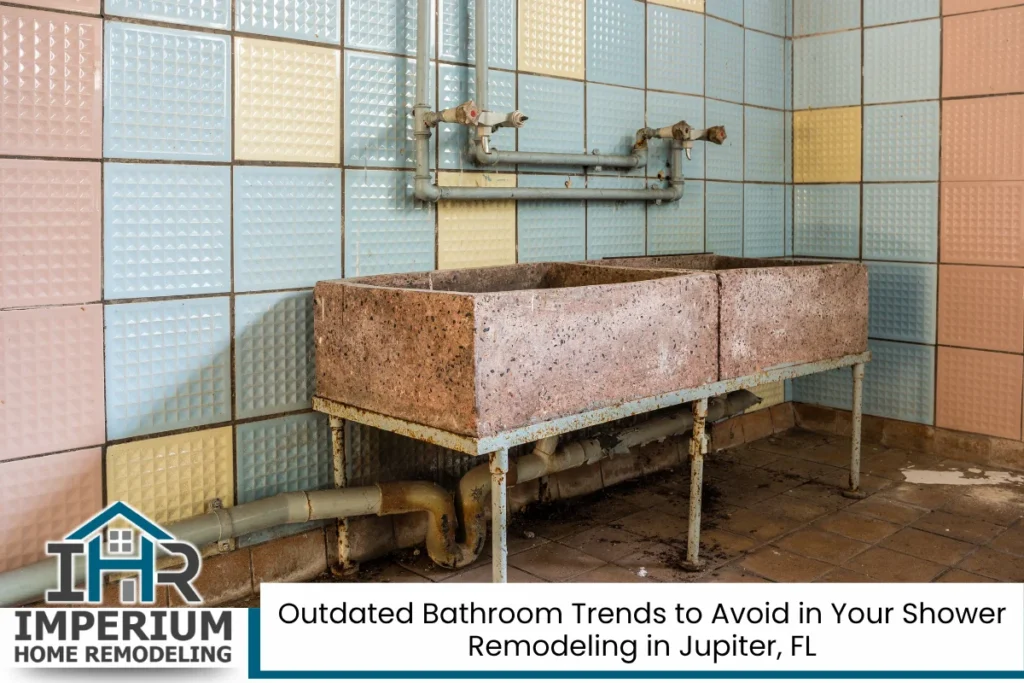
Read Outdated Bathroom Trends to Avoid in Your Shower Remodeling in Jupiter, FL